Description of this recipe
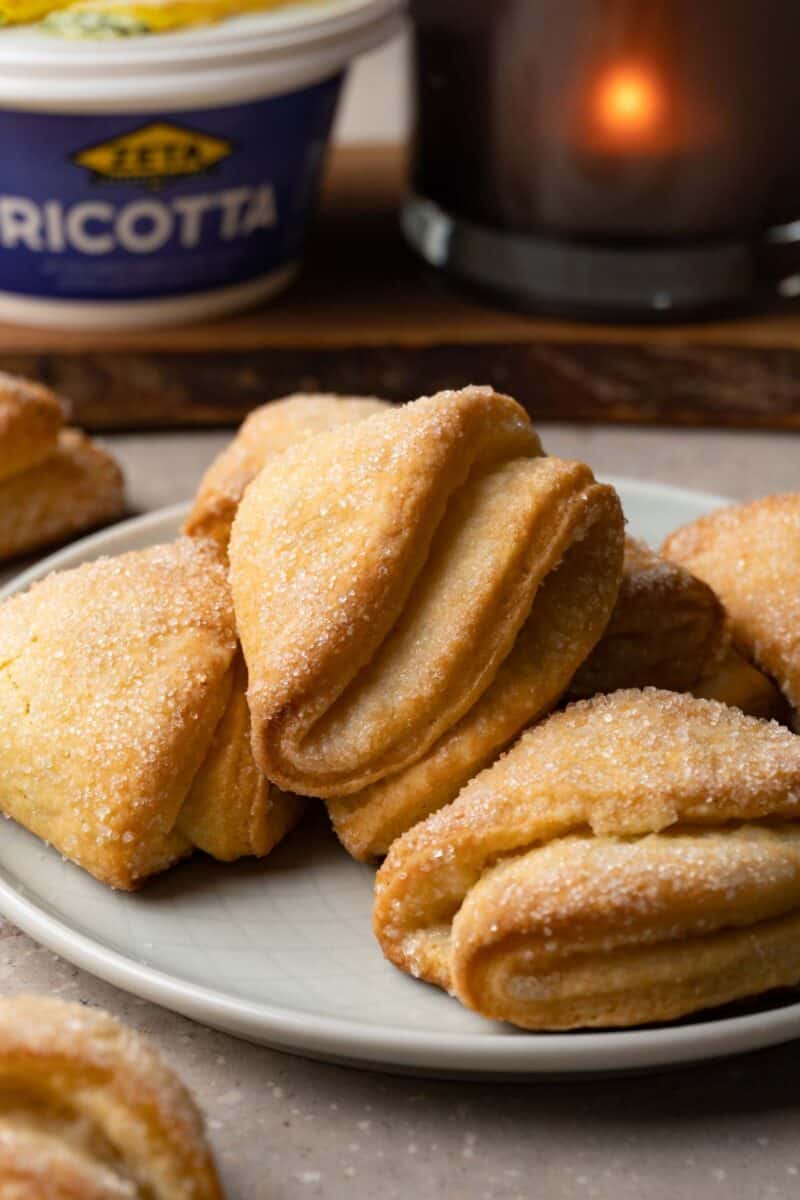
Ricotta cookies are delicate, tender, and subtly sweet treats that offer a delightful taste of Italian baking. These cookies are not overly sweet, allowing the creamy ricotta cheese to shine through, creating a melt-in-your-mouth experience that’s perfect for any occasion. Whether enjoyed with a cup of coffee, as a light dessert, or as a special treat for holidays, ricotta cookies are sure to please.
Why you will love this recipe
These cookies stand out for their unique texture and flavor profile. The ricotta cheese adds a moistness and tenderness that is unparalleled by other cookies. The simple ingredients come together to create a sophisticated flavor that’s both comforting and elegant. They are easy to make and require minimal baking time, making them perfect for both novice and experienced bakers. You’ll love the simplicity of the dough, the light, airy texture, and the subtle sweetness that makes these cookies so addictive. Plus, the added touch of granulated sugar on the outside gives them a delightful crunch and sparkle.
Ingredients:
- 150 g all-purpose flour, plus more for dusting
- ½ teaspoon salt
- 1 teaspoon baking powder
- 30 g white granulated sugar, plus more for coating
- 100 g unsalted butter, cold
- 1 teaspoon vanilla extract
- 200 g ricotta cheese, cold
Preparation:
Step 1: Prepare the Dough
In a food processor, combine the flour, salt, baking powder, and 30g of sugar. Pulse a few times to ensure all the dry ingredients are well mixed. This step is crucial to evenly distribute the baking powder and salt, ensuring a uniform texture and flavor throughout the cookies. Using a food processor helps to prevent overmixing, which can lead to tough cookies.
Step 2: Incorporate the Butter
Add the cold unsalted butter to the food processor. Pulse until the mixture resembles wet sand. The cold butter is essential for creating a flaky and tender crumb. By pulsing, you are cutting the butter into the flour without melting it. The mixture should be crumbly with small pieces of butter still visible.
Step 3: Add Ricotta and Vanilla
Add the cold ricotta cheese and vanilla extract to the mixture. Pulse just until the dough comes together. Be careful not to overmix at this stage; the dough should form a ball and come away from the sides of the food processor. Overmixing will develop the gluten in the flour, resulting in tougher cookies.
Step 4: Chill the Dough
Transfer the dough to a lightly floured surface and gently press it into a smooth ball. Wrap the dough tightly in plastic wrap and place it in the freezer while preheating the oven. The chilling process is critical as it allows the butter to firm up, which prevents the cookies from spreading too much during baking. Chilling also relaxes the gluten, making the cookies more tender. Aim for at least 20 minutes in the freezer.
Step 5: Preheat and Prepare
Preheat your oven to 355°F (180°C). Line a baking sheet with parchment paper. Parchment paper prevents the cookies from sticking and ensures easy cleanup. It also helps to distribute heat evenly, preventing the bottoms from burning.
Step 6: Roll and Cut
Remove the dough from the freezer and roll it out on a floured surface to about ⅛ inch (3mm) thickness. Use a 3-inch (8cm) cookie cutter to cut out discs. If you don’t have a cookie cutter, you can use a glass or a jar lid of similar size. Gather the scraps, reroll, and cut out additional cookies. Try to minimize the amount of rerolling, as it can make the dough tougher.
Step 7: Sugar Coating and Folding
Pour some granulated sugar onto a small plate. Press one dough disc into the sugar, coating one side thoroughly. Lift the disc and fold it in half with the sugared side inside, creating a half-moon shape. Press one side of the half-moon shape into the sugar again to coat it. Fold it in half once more, forming a triangle with the sugared side inside. Finally, dip one side of the triangle in sugar and place it on the prepared baking sheet, sugar side up. Repeat with the remaining dough discs. This folding and sugaring technique gives the cookies their distinctive shape and adds a delightful crunch.
Step 8: Bake
Bake for 20-25 minutes, or until the cookies are golden brown around the edges and on top. The baking time may vary depending on your oven, so keep a close eye on the cookies. They should be lightly browned but still soft to the touch.
Step 9: Cool
Remove the baking sheet from the oven and allow the cookies to cool on a wire rack before serving. Cooling on a wire rack prevents the bottoms of the cookies from becoming soggy. Let them cool completely before serving to allow the flavors to fully develop.
COOKING Rating:
Easy
Serving Suggestions:
- Serve warm or at room temperature with a dusting of powdered sugar.
- Pair with a cup of espresso or cappuccino for an authentic Italian experience.
- Add a dollop of whipped cream or a scoop of vanilla ice cream for a more indulgent treat.
- Perfect for holiday gatherings, parties, or as a homemade gift.
Tips:
- Ensure all ingredients, especially the butter and ricotta cheese, are cold to prevent the dough from becoming too soft.
- Do not overmix the dough, as this will result in tough cookies.
- Chill the dough thoroughly to make it easier to handle and to prevent spreading during baking.
- For a richer flavor, use whole milk ricotta cheese.
- Add a touch of lemon or orange zest to the dough for a more vibrant flavor.
- If you don’t have a food processor, you can cut the butter into the flour using a pastry blender or your fingertips.
- Store the baked cookies in an airtight container at room temperature for up to 3 days.
Prep Time: 20 minutes
Cook Time: 20-25 minutes
Total Time: 40-45 minutes
Nutritional Information (per cookie):
(Note: Nutritional information is approximate and may vary based on specific ingredients and serving size.)
- Calories: 120
- Protein: 2g
- Sodium: 50mg
Conclusion
Ricotta cookies are a delightful and simple treat that captures the essence of Italian baking. Their unique texture, subtle sweetness, and ease of preparation make them a perfect addition to any baker’s repertoire. Whether you’re looking for a light dessert, a comforting snack, or a special treat for a celebration, these cookies are sure to impress. The use of high-quality ingredients, the chilling of the dough, and the careful folding and sugaring technique all contribute to the perfect ricotta cookie. So, gather your ingredients, follow the steps, and enjoy the taste of Italy in your own kitchen.
Questions and Answers about Ricotta Cookies
Q1: Can I use part-skim ricotta cheese instead of whole milk ricotta?
A: While you can use part-skim ricotta cheese, whole milk ricotta is recommended for the best flavor and texture. Whole milk ricotta has a higher fat content, which contributes to a richer and more tender cookie. Part-skim ricotta may result in a slightly drier cookie, but it can still work if you prefer a lower-fat option.
Q2: How do I prevent the cookies from spreading too much during baking?
A: The most important factor in preventing spreading is to ensure that the butter and ricotta cheese are cold. Chilling the dough in the freezer for at least 20 minutes before rolling it out also helps to firm up the butter and relax the gluten. Additionally, avoid overmixing the dough, as this can develop the gluten and cause the cookies to spread.
Q3: Can I add flavorings to the dough?
A: Absolutely! Adding flavorings can enhance the taste of the ricotta cookies. Lemon or orange zest is a popular choice, as it adds a bright and citrusy note. You can also add a pinch of cinnamon or nutmeg for a warm and spicy flavor. Extracts like almond or anise can also be used to create a unique flavor profile.
Q4: What is the best way to store leftover ricotta cookies?
A: Store the baked ricotta cookies in an airtight container at room temperature. They will stay fresh for up to 3 days. To maintain their texture, avoid storing them in the refrigerator, as this can make them dry. If you want to store them for longer, you can freeze them for up to 2 months. Thaw them at room temperature before serving.
Q5: Can I make the dough ahead of time?
A: Yes, you can make the dough ahead of time and store it in the refrigerator for up to 24 hours. Wrap it tightly in plastic wrap to prevent it from drying out. When you’re ready to bake, remove the dough from the refrigerator and let it sit at room temperature for about 15 minutes to soften slightly before rolling it out. Alternatively, you can freeze the dough for up to 2 months. Thaw it in the refrigerator overnight before using.